
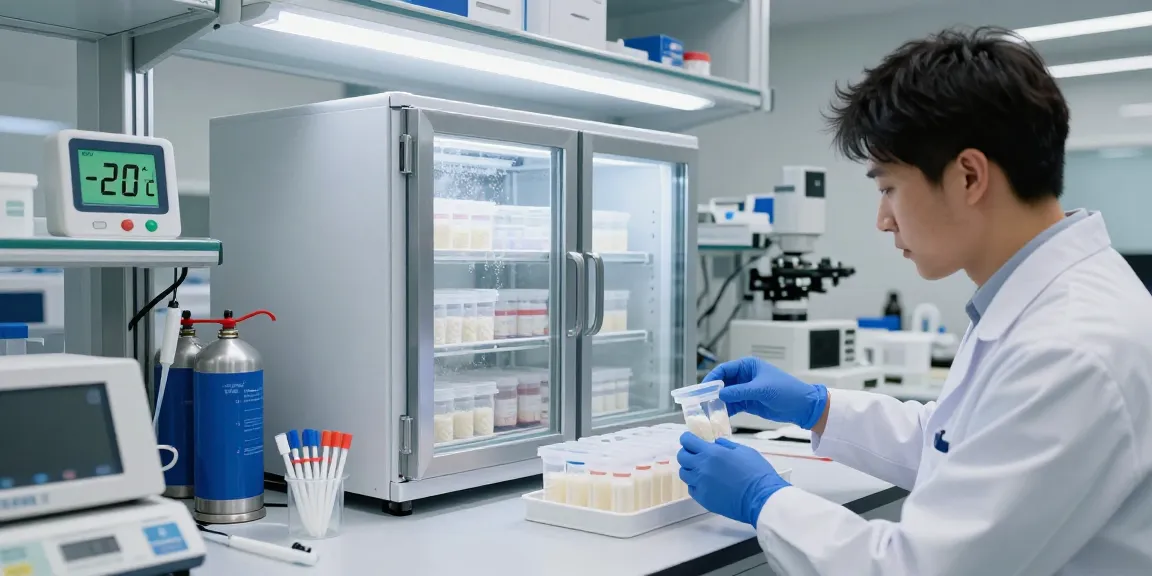
Understanding Lyophilisation Peptides
Lyophilisation peptides are a critical component in the world of biochemical research and pharmaceuticals. These peptides, which undergo a freeze-drying process to remove moisture and enhance stability, have become increasingly popular due to their extended shelf life and ease of handling. Proper understanding of lyophilisation can ensure that researchers maintain the integrity and functionality of their peptides, preventing degradation and loss of potency over time. When exploring options, lyophilisation peptides provide comprehensive insights into the necessary protocols for optimal storage conditions.
What Are Lyophilisation Peptides?
Lyophilisation, or freeze-drying, is a technique used to preserve sensitive compounds like peptides by removing moisture while maintaining their structural and functional integrity. This process prevents the degradation that can occur with liquid peptides, which are susceptible to hydrolysis and microbial growth. When peptides are lyophilised, they are transformed into a stable, solid state, allowing for long-term storage and ease of transport without the need for cold chain logistics.
Benefits of Lyophilisation for Peptide Stability
The primary benefit of lyophilisation is the enhanced stability it offers. By removing moisture, lyophilisation minimizes the risk of hydrolysis, oxidation, and microbial contamination, which can significantly compromise peptide integrity. Moreover, lyophilised peptides typically demonstrate improved solubility and bioavailability upon reconstitution, making them more suitable for various applications, from drug development to clinical research.
Common Misconceptions in Peptide Storage
There are several misconceptions surrounding peptide storage that can lead to improper handling practices. One common belief is that all lyophilised peptides can be stored at room temperature indefinitely. While some peptides may remain stable for a limited time outside of cold storage, the majority benefit significantly from being kept at lower temperatures to preserve their efficacy. Another misconception is regarding the impact of light exposure; many researchers underestimate how light can degrade sensitive peptides, further emphasizing the need for proper storage protocols.
The Importance of Storage Temperature
Temperature control is paramount when it comes to storing lyophilised peptides. Different peptides have unique stability profiles influenced by their structure and composition, making it essential to adhere to recommended storage guidelines. Understanding the implications of temperature variations can help scientists maintain peptide quality throughout their research cycles.
Standard Storage Conditions at -20 °C
The universally recommended storage temperature for lyophilisation peptides is -20 °C. At this temperature, sealed vials can maintain their stability for extended durations. Research has shown that most peptides can remain viable for several years under these conditions, depending on their specific sequences and the precautions taken during handling. Notably, Thermo Fisher advises that peptides should be stored at -20 °C immediately upon receipt to ensure optimal longevity.
When to Use -80 °C for Sensitivity
For particularly sensitive peptide sequences—such as those containing methionine or cysteine—storage at -80 °C may be warranted. This ultra-low temperature offers a level of protection that can significantly extend the shelf life of these sensitive compounds. By minimizing thermal stress and maintaining low levels of molecular motion, -80 °C storage can prevent degradation and improve the reliability of experimental results.
Impact of Temperature on Peptide Integrity
Temperature fluctuations can have detrimental effects on peptide integrity. Each cycle of freezing and thawing can introduce stress on the peptide structure, leading to potential denaturation or fragmentation. Understanding the thermal stability of each peptide is fundamental to developing storage protocols that maintain their functional integrity. Moreover, researchers must be cautious when handling peptides that have been subjected to temperature variations, as restoring them to optimal conditions may not reinstate their original stability.
Moisture and Light Protection Techniques
Moisture and light are two of the most significant threats to peptide stability. Effective protection against these elements is essential for maintaining the quality of lyophilised peptides throughout their lifecycle.
Strategies for Moisture Minimization
While lyophilised peptides are inherently moisture-resistant, exposure to air can lead to rapid absorption of water vapor, resulting in hydrolysis and loss of potency. To minimize moisture exposure, it is crucial to keep vials sealed and stored in desiccated environments whenever possible. Using vacuum-sealed bags or desiccants can further enhance protection, particularly in humid laboratory environments.
Light Protection: Choosing the Right Containers
Exposure to light, especially UV light, can degrade sensitive peptides over time. Researchers should select opaque containers or amber vials that block UV rays to safeguard their samples. Additionally, storing peptides in dark environments, such as dark freezer boxes, can provide an extra layer of protection against light-induced degradation.
The Role of Environment in Peptide Stability
Environmental conditions play a crucial role in the overall stability of lyophilised peptides. Factors such as humidity and temperature fluctuations can significantly impact peptide viability. Laboratories should monitor these conditions consistently to ensure that storage environments remain stable and conducive to peptide preservation. Implementing a climate-controlled storage solution can help mitigate risks associated with environmental variability.
Handling and Reconstituting Peptides
Proper handling and reconstitution practices are critical to maintaining the quality of peptides. Following best practices can mitigate the risks associated with improper handling, ultimately leading to more reliable research outcomes.
Best Practices for Reconstitution
When reconstituting lyophilised peptides, it is crucial to use appropriate solvents such as bacteriostatic water to minimize microbial contamination. Allowing the vials to warm to room temperature before opening is essential to prevent condensation from forming inside the vial, which can introduce moisture. It’s also advisable to gently swirl the vial instead of vigorous shaking, as excessive agitation can denature delicate structures.
Short-Term vs. Long-Term Storage Solutions
Once reconstituted, peptides typically have a much shorter shelf life. Generally, reconstituted peptides should be stored at +2 to +8 °C in a refrigerator and are viable for 14-28 days, depending on the specific peptide and conditions. For extended use, aliquoting the solution into smaller volumes before freezing at -20 °C can prevent repeated freeze-thaw cycles, thus preserving their integrity for months.
Avoiding Common Handling Errors
Common errors during peptide handling can lead to significant degradation and loss of function. These include repeated opening of the same vial, which increases the risk of contamination and moisture exposure. Additionally, researchers should avoid storing peptides at room temperature for extended periods and ensure that all handling tools are sterile. Developing a standard operating procedure (SOP) for peptide handling can help minimize these errors effectively.
Future Trends in Peptide Storage and Handling
The landscape of peptide storage and handling is evolving rapidly, driven by advances in technology and increasing research demands. Staying updated on these trends is crucial for researchers aiming to optimize their peptide protocols.
Innovations in Storage Technologies
Recent advancements in storage technologies have led to the development of smart storage solutions that monitor and regulate temperature and humidity levels automatically. These innovations can provide real-time feedback to researchers, alerting them to any deviations from optimal conditions. As the technology continues to evolve, it could lead to more efficient and reliable peptide storage practices.
Emerging Research on Peptide Stability
Ongoing research is continually uncovering new insights into peptide stability, including methods to enhance resistance to degradation. Studies are exploring various modifications to peptide sequences and formulations that could lead to longer shelf life and improved efficacy. Researchers are encouraged to engage with this emerging literature to enhance their understanding and application of peptide storage protocols.
Preparing for Regulatory Changes in 2026
As the regulatory landscape for peptide usage evolves, researchers must prepare for potential changes in storage and handling guidelines set forth by governing bodies. Staying informed about upcoming regulations can help labs remain compliant and ensure that their research outputs meet the required standards for safety and efficacy. Adapting storage practices accordingly will be crucial for continued research viability.
FAQs about Lyophilisation Peptides
What is the ideal storage temperature for lyophilisation peptides?
The ideal storage temperature for most lyophilisation peptides is -20 °C, whereas particularly sensitive peptides may require storage at -80 °C for optimal stability.
Can I store peptides at room temperature for short periods?
While some peptides may tolerate short-term storage at room temperature, it is generally advised to keep them at lower temperatures to preserve their integrity.
What containers are best for protecting peptides from light?
Opaque containers or amber vials are preferred for protecting peptides from light exposure, which can degrade sensitive compounds over time.
How can I prevent degradation during peptide handling?
To prevent degradation during handling, researchers should use sterile tools, minimize exposure to moisture and light, and handle peptides in a controlled environment.
What should I know about freeze-thaw cycles and peptides?
Freeze-thaw cycles can significantly impact peptide integrity, leading to potential degradation. To mitigate this risk, it is best to aliquot peptides before freezing and avoid repeated freeze-thaw cycles.