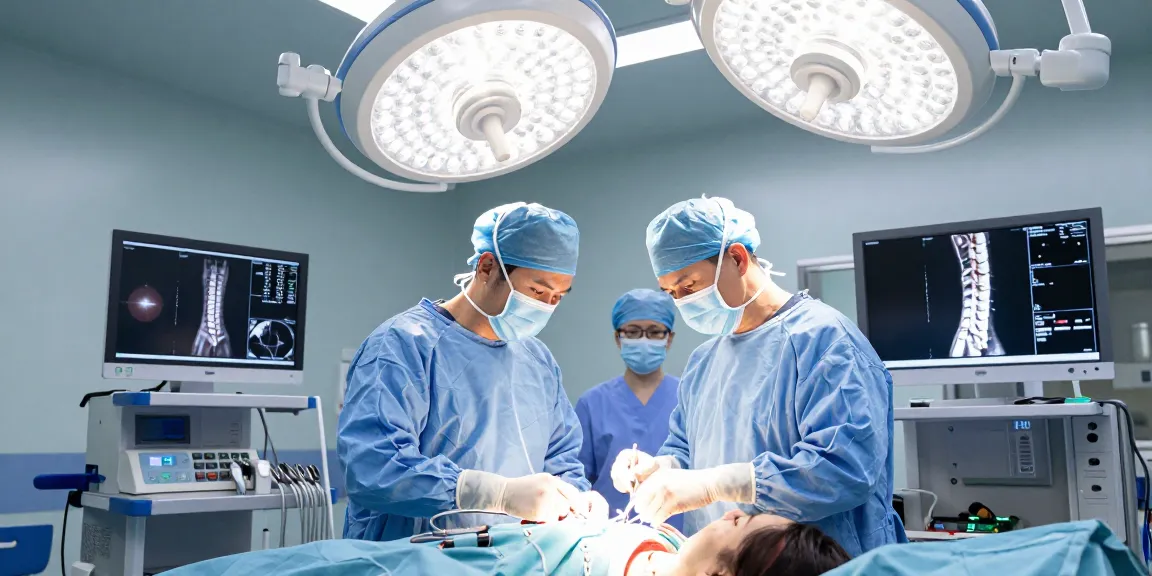
Understanding Bel fıtığı: Symptoms and Diagnosis
Bel fıtığı, or lumbar disc herniation, is a condition that affects countless individuals globally, causing significant discomfort and disruption in daily activities. Understanding the nature of this condition, its symptoms, and diagnostic processes is essential for effective management. The condition typically manifests as pain that radiates from the lower back to the legs, often described as sharp, stabbing, or burning. As the condition progresses, it may lead to numbness or weakness in the affected leg, significantly impacting an individual’s mobility and quality of life. When exploring treatment options, Bel fıtığı ameliyatı provides comprehensive insights into when surgical intervention is appropriate.
What is Bel fıtığı?
Bel fıtığı occurs when the soft gel-like center of a spinal disc pushes through a crack in the tougher exterior casing, often due to wear and tear over time or an injury. This herniation can compress nearby nerves, leading to pain and discomfort. The lumbar region, which supports much of the body's weight, is particularly susceptible to this condition. It plays a crucial role in allowing flexible movement while providing necessary support to the upper body.
Common Symptoms and Their Impact on Daily Life
Patients with bel fıtığı may experience a variety of symptoms, including:
- Severe lower back pain
- Pain radiating down the legs (sciatica)
- Numbness or tingling sensations
- Muscle weakness in the legs
- Difficulty with mobility and everyday activities
These symptoms not only affect physical capabilities but can also lead to emotional distress, anxiety, and limitations in personal and professional life. Effective management is crucial to restoring normalcy and preventing long-term disability.
Diagnostic Methods: How is It Confirmed?
Diagnosing bel fıtığı typically involves a thorough physical examination and imaging tests. Healthcare professionals may utilize:
- X-rays: To rule out other conditions
- Magnetic Resonance Imaging (MRI): The gold standard for visualizing soft tissue abnormalities
- CT Scans: Helpful in certain cases where MRI is not suitable
Following these diagnostic steps enables healthcare providers to determine the best course of treatment, whether non-surgical or surgical.
When is Bel fıtığı Ameliyatı Necessary?
Deciding when to proceed with surgical intervention for bel fıtığı can be challenging. It largely depends on the severity of symptoms, response to initial treatments, and the overall impact on a patient's quality of life. If conservative treatments such as physical therapy, medications, and lifestyle changes fail to yield relief, surgery may be considered.
Identifying Indicators for Surgery
Several critical indicators suggest the need for surgery:
- Persistent pain that significantly affects daily activities
- Weakness or sensory changes in the legs
- Severe pain that does not improve despite conservative management
- Progressive neurological deficits
In these cases, surgical options should be thoroughly discussed with a qualified specialist.
The Role of Medical Treatment Before Surgery
Most patients begin their treatment journey with conservative methods, including rest, physical therapy, analgesics, and anti-inflammatory medications. These approaches can often alleviate symptoms, and surgery is viewed only when these options fail.
Emergency Conditions: When to Act Fast
Certain emergency situations necessitate immediate surgical intervention. For instance, patients experiencing symptoms of Cauda Equina Syndrome, characterized by severe lower back pain, saddle anesthesia, and loss of bowel or bladder control, require urgent care. Acting swiftly in these scenarios is paramount to preventing long-term nerve damage.
The Surgical Procedure: What to Expect
Understanding the surgical options for bel fıtığı is crucial for patients considering this route. Various techniques are available, each with its unique benefits and recovery expectations.
Overview of the Operation Techniques
Common surgical approaches include:
- Open surgery: A traditional method involving a larger incision to remove the herniated disc material.
- Minimally invasive techniques: Such as microdiscectomy, where smaller incisions are made, leading to quicker recovery times and less postoperative pain.
Differences Between Open Surgery and Microcerrahi
While open surgery has historically been the standard approach, microcerrahi (or microsurgery) has gained preference due to its advantages, including reduced trauma to surrounding tissues, lower infection rates, and faster recovery times. In microdiscectomy, the surgeon utilizes magnification to precisely remove the herniated portion of the disc, minimizing injury to the surrounding muscles and ligaments.
Post-Operative Care and Recovery Process
Recovering from bel fıtığı surgery involves a comprehensive care plan:
- Physical therapy: Initiated shortly after surgery to promote mobility and strength
- Pain management: Utilizing medications as needed
- Regular follow-ups: Ensuring proper healing and addressing any complications
Patients are typically encouraged to gradually resume normal activities within weeks of the procedure, although full recovery may take longer depending on individual health factors.
Long-Term Outcomes After Bel fıtığı Ameliyatı
Post-surgery, many patients experience significant relief from symptoms and improved quality of life. However, understanding long-term outcomes is vital for ongoing health and wellness.
Managing Chronic Pain and Rehabilitation
Some individuals may experience chronic pain post-surgery, necessitating continued rehabilitation. Engaging in physical therapy focused on strengthening exercises can prevent future flare-ups and enhance recovery.
Success Rates and Patient Perspectives
Research indicates that minimally invasive techniques, such as microdiscectomy, boast high success rates, often exceeding 90%. Patient testimonials frequently highlight substantial improvements in pain levels and overall well-being following surgery.
Future Trends in Spinal Surgery Techniques
Innovation continues in the field of spinal surgery, with advancements in robotic assistance and enhanced imaging techniques paving the way for even less invasive procedures and better outcomes. Staying informed about these trends can help patients make educated decisions regarding their treatment options.
Frequently Asked Questions About Bel fıtığı Surgery
What are the risks associated with Bel fıtığı ameliyatı?
While surgery is generally safe, potential risks include infection, bleeding, nerve damage, and recurrence of the herniation.
How long is the typical recovery time?
Recovery varies by individual, but many patients can return to light activities within a few weeks, while full recovery may take several months.
Can Bel fıtığı recur after surgery?
Yes, while recurrence rates are relatively low, some patients may experience another herniation, particularly if predisposing factors are not addressed.
What lifestyle changes can aid recovery?
Maintaining a healthy weight, engaging in regular exercise, and practicing good posture can significantly contribute to long-term spinal health and reduced recurrence risk.
Are there non-surgical alternatives to consider?
Non-surgical treatments, including physical therapy, chiropractic care, and acupuncture, may be effective for some patients, especially those with mild symptoms.. Additionally, Bel fıtığı ameliyatı provides further details.