Understanding the Importance of a Loyalty Application
In today's competitive marketplace, small businesses face the challenge of cultivating customer loyalty in an ever-evolving consumer landscape. A loyalty application has emerged as a powerful tool to foster repeat business, especially for small enterprises. By leveraging technology, businesses can engage customers more effectively, encourage repeat visits, and enhance overall satisfaction. This article delves into the importance of loyalty applications and how they can significantly impact small businesses.
What is a Loyalty Application?
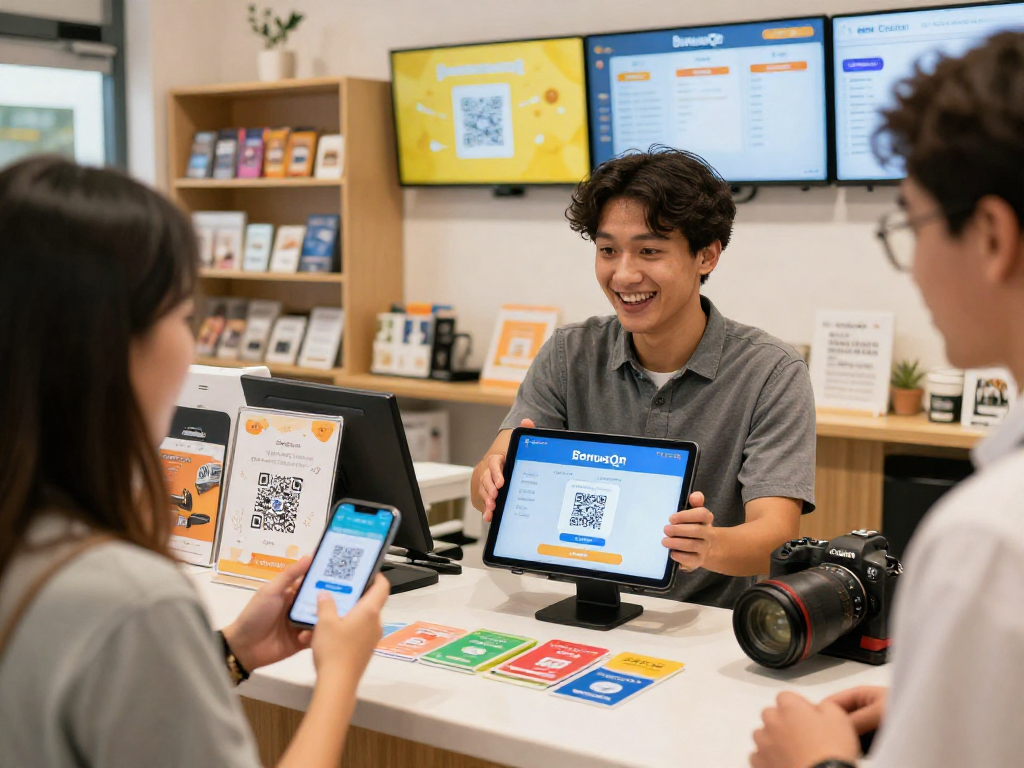
A loyalty application is a digital platform designed to encourage repeat customers by offering rewards, discounts, and other incentives. It allows businesses to track customer interactions, providing insights into spending behavior and preferences. Typically, these apps utilize features such as QR codes, point systems, and personalized promotions, making it easy for customers to engage and redeem rewards.
Why Small Businesses Need a Loyalty Program?
For small businesses, competition can be fierce, and customer retention is paramount. Implementing a loyalty program through an application is an effective strategy to maintain customer interest and enhance brand loyalty. Moreover, as consumers increasingly favor digital transactions, having a dedicated loyalty app not only meets their expectations but also builds trust and connection. This is especially important for small businesses that may struggle to compete with larger chains.
Key Benefits of Implementing Loyalty Applications
- Increased Customer Retention: Loyalty programs provide a strong incentive for customers to return to your business rather than exploring competitors.
- Enhanced Customer Insight: Businesses can collect valuable data about customer preferences and buying patterns, allowing for more targeted marketing efforts.
- Cost-Effective Marketing: Instead of spending heavily on advertisements, businesses can allocate resources to rewarding existing customers, which often yields better returns.
- Improved Customer Experience: A seamless loyalty application enhances the customer journey, making it easy for consumers to track rewards, redeem points, and receive personalized offers.
How the BonusQR Loyalty Application Works
The BonusQR loyalty application streamlines the customer onboarding process and rewards management through its user-friendly interface. Customers can quickly set up an account, link their payment methods, and start earning rewards simply by scanning QR codes at participating locations.
Step-by-Step Onboarding Process
- Account Creation: Customers sign up with minimal information, creating a profile linked to their preferred payment method.
- QR Code Generation: Upon account setup, each customer receives a unique QR code that they can use to earn rewards on future purchases.
- Rewards Tracking: Users can easily track their points, cashback, and available rewards through the application.
Features of the BonusQR Loyalty Application
- QR-Based Rewards: Customers can earn and redeem rewards by simply scanning QR codes during their visits.
- Customizable Loyalty Programs: Businesses can tailor rewards to suit their customer base, whether through cashback, point systems, or discounts.
- Automated Notifications: The app automatically sends push notifications to remind customers about rewards, special events, and promotional offers.
- Analytics Dashboard: Businesses can access an analytics dashboard to monitor participation rates, customer behavior, and overall program effectiveness.
Examples of Successful Implementation
Several small businesses that have integrated the BonusQR loyalty application report notable improvements in customer engagement and revenue growth. A local café, for example, introduced a points system that rewarded customers for every dollar spent, leading to a 30% increase in repeat visits within just a few months. Similarly, a boutique retail store utilized the QR code feature to track customer footfall, allowing them to tailor their marketing strategies based on real-time data.
Designing Your Own Loyalty Program
Creating a successful loyalty program involves careful planning and an understanding of customer preferences. Below are some essential factors to consider when designing your loyalty program.
Choosing the Right Loyalty Program Structure
The structure of your loyalty program should align with your business model and customer expectations. Some popular models include:
- Points-Based Systems: Customers earn points for every purchase, which can be redeemed for discounts or free items.
- Tiered Rewards: Customers unlock higher rewards as they reach specific spending thresholds, encouraging increased loyalty.
- Cashback Offers: Customers receive a percentage of their purchase back, providing immediate financial incentives.
Customizing Rewards for Your Customers
Customization is key to a successful loyalty program. Consider what rewards will resonate most with your customers. Options may include free products, exclusive discounts, or special event access. Engaging with customers through surveys or feedback forms can help inform your reward offerings.
Common Mistakes to Avoid When Setting Up
Several pitfalls can derail the effectiveness of a loyalty program. Some common mistakes include:
- Overly Complicated Structures: A confusing rewards system can frustrate customers, leading to disengagement.
- Lack of Promotion: Failing to adequately market the loyalty program can result in low enrollment and participation.
- Neglecting Customer Feedback: Ignoring customer insights can lead businesses to miss out on valuable opportunities to improve the program.
Marketing Your Loyalty Program Effectively
Once your loyalty program is established, effective marketing is crucial for driving awareness and participation.
Strategies for Promoting Your Loyalty Application
- Utilize In-Store Signage: Promote your loyalty program with eye-catching displays and QR codes that customers can scan to sign up on the spot.
- Social Media Campaigns: Leverage social media channels to announce your loyalty program, showcasing rewards and success stories to generate excitement.
- Email Marketing: Use email newsletters to inform customers about the loyalty program, highlighting new rewards and encouraging sign-ups.
Utilizing Social Media for Engagement
Engaging with customers on social media platforms can enhance the visibility of your loyalty application. Share success stories, testimonials, and updates about new rewards to keep your audience informed and motivated to participate.
Measuring Success and Customer Engagement
To evaluate the effectiveness of your loyalty program, it’s essential to track key performance indicators (KPIs) such as:
- Enrollment Rates: How many customers sign up for your loyalty program?
- Redemption Rates: What percentage of rewards earned are actually redeemed?
- Customer Retention: Are repeat visits increasing since the program launch?
Future Trends in Loyalty Applications
The landscape of customer loyalty is evolving, influenced by technological advancements and changing consumer behaviors. It's important for businesses to stay ahead of these trends.
Emerging Technologies in Loyalty Programs
Future loyalty applications may integrate technologies such as AI and machine learning to deliver more personalized experiences. Predictive analytics can help businesses forecast customer behavior and tailor rewards accordingly.
Consumer Behavior Trends for 2026
As younger generations become the primary consumers, preferences are shifting toward instant gratification and value-driven offers. Loyalty applications that offer timely rewards are likely to resonate more effectively with this demographic.
Preparing for Changes in Market Dynamics
With economic fluctuations and market competition continually evolving, small businesses must be prepared to adapt their loyalty strategies to meet new challenges. Regularly reviewing and updating your loyalty program will ensure it remains relevant and engaging.
What types of rewards can I offer with a loyalty application?
Rewards can vary widely based on your business and customer demographics but may include discounts, free products, exclusive access to events, or members-only promotions.
How do I measure the success of my loyalty program?
Success can be monitored through metrics such as customer retention rates, frequency of visits, and the total value of rewards redeemed within a given period.
Is customer data collected by loyalty applications secure?
Most reputable loyalty applications prioritize data security, employing encryption and compliance with regulations such as GDPR to protect customer information.
Can loyalty programs improve customer retention rates?
Yes, when executed effectively, loyalty programs can significantly enhance customer retention by creating emotional connections and rewarding repeat business.
What are the costs involved in implementing a loyalty application?
Costs can vary widely based on the features and services of the loyalty application, including setup fees, monthly subscriptions, and transaction costs. For more information, loyalty application offers valuable insights. However, the potential return on investment through increased sales and customer retention often outweighs these costs.